Final Product;
Title: Nearly Reunited
Style: Social Realism
Genre: Romance (with a hint of comedy)
Certificate: 12A
Synopsis: Based on the strength of the relationship between the two characters Daniel (Daniel/Ben Brown) and Sophie (Sophie/Nicole Laurie), as they grow up and have to face the challenges most face when entangled in the emotion of love.

For our A2 Media Production we decided to complete a short film in the social realism genre. We chose to do a Social Realism film as we hadn’t completed one before and thought it would be a good chance to experiment with all our ideas combined.
Social Realism =
“Social realism in films is representative of real life, with all its difficulties. The stories and people portrayed are everyday characters, usually from working class backgrounds. Typically, films within the social realist canon are gritty, urban dramas about the struggle to survive the daily grind”
http://filmstudies.suite101.com/article.cfm/social_realism_in_british_film#ixzz0lRTpNxhx
“A genre of film which aim to represent the lives of ordinary people in ways that appear very ‘true to life’.” (Definition learnt in class)
This website gave me a better insight and more defined description of social realism : http://www.screenonline.org.uk/film/id/1037898/index.html

I found this powerpoint presentation whilst researching more information on social realism which I found extremely useful.
Social Realism -
Slide Four was particularly useful and interesting, as it displayed a timeline of a majority of the significant Social Realism films, and with it an explanation of the development of social realism in the film industry through each century.


http://www.youtube.com/watch?v=Wj9yvVDwhX0
This YouTube clip (print screen above - as the clip cannot be embedded ) of Celebrities/Critics and directors explaining Social Realism’s effect on the nation really gave me a good idea into the extent of just how much effect this genre had on the world of film; through comments such as:
- ‘The first generation of film to challenge me, upset me, irritate me and make me laugh’
- ‘Felt like somebody had been over my shoulder and watched my childhood grow up and pilfered bits and pieces from it’
- ‘Learnt more from watching two hours of (social realist film) about the world than watching the news in ten years’
- And a comment which stood out for me was that social realism enabled ‘literature, pop music and cinema to all converse together’.
INSPIRATIONS
We have had quite a few inspirations which have helped us create and develop our social realism film. Our main stimulation for our film was the short film “Mixed Tape”, which I have already analysed and detailed on the blog during the research period of the coursework.
Mixed Tape, Luke Snellin 2009.
We decided to take elements such as the storyline being based around ‘young love’ and the connection between two young children. But we chose to take it one step further by showing what happens to them when they grow up also. Another inspiration devised from this film was the use of music, we chose to uaw little dialogue and instead use the music, body language and expressions to represent the characters actions, feelings and personalities. Other ideas taken from this film were:
-Minimal character use
-None urbanised area
-Split screen to show both characters reactions
Another inspiration we developed was through the idea of the characters growing up and seeing the situation from both their young and older perspective. This was developed by both the film ‘Just Friends’ which has a similar storyline and also uses a dissolve to show the transformation in age.
- Conventions, aims and styles of Social Realism
Mise En Scene - (French term for "staging," or "putting into the scene or shot" meaning all the elements placed before the camera and within the frame of the film by the director)
-Recognisable naturalistic settings
-Naturalistic lighting
-Contemporary costumes/makeup for actors to fit their personality/character
-Ordinary and expected props/resources used in everyday situations/lifestyles
-Dominant features - hidden messages/meanings within objects/scenes (iconography)
-Realistic character placements and compositions - characters are often seen in context (e.g. social context or environment)
-Exterior settings and real locations, predominantly urban (especially establishing shots)
-Convincing costume and makeup for period and culture
-Desaturated colour palette
DID WE CONFORM TO THE MISE EN SCENE CONVENTIONS?
I think we did a good job of sticking to the conventions social realism mise en scene. As we managed to:
-Have real settings - the house, park, village etc
The park:

-Costumes - For both characters they were in suitable and standard clothes expected for their characters
-Props - Props used were believable for the environment and settings (e.g. the radio, the computer etc)
The radio:

-Dominant features with hidden meanings (iconography)- I think we did this quite well within the film, for example we tried to show the contrast in the main two characters social classes with the items they personally own (E.g. their mobile phones) We did this to fit in with the iconography convention, which emphasises the importance of props - which is a big element in the significant aim of social realism film to form reality.
Phones:
Old phone- 
New phone - 
Another interesting thing we managed to elaborate into our film was using the icon of a heart in the msn convosations to represent their relationship status. As you can see in the beginning convosations the heart is complete whereas by the end the heart is broken.


The only element of mise en scene I don’t think we conformed to as well as we could of done is the element of naturalistic lighting, because in some shots they were either too dark or too light, for example when Sophie enters the room after being at the park with her friend and Ben writing the letter sitting on the floor. The dark shot of Sophie walking into the room was an accident as we misjudged the time and didn’t recheck the white balance. Whereas the dark shot of Ben writing his letter was intentional, as we felt it outlined his activity more and added a sense of hesitance in what he’s writing.


But I don’t think this element would effect the audience to misinterpret the genre or style of the film, as it is still a clear image with clear movements from the characters. Furthermore, we went against one of the conventions of social realism purposely of filming in a urbanised setting, as we felt the more rural rustic approach fitted in with our story more, as you can focus more on the characters problems than the settings around them.
Camerawork
-Long takes as the actors usually have to improvise - creating a more authentic feel
-Sometimes hand held camera to provide a documentary effect
-Mainly simple, eye level shots with no complex angles and positioning to feel as if you’re observing
-Off centre framing to seem less manufactured
-Static shots, again as if observing
DID WE CONFORM TO THE CAMERAWORK CONVENTIONS?

With the aspect of using mainly simple shots at eye level I believe we conformed to this approach, as throughout we predominantly use eye level and medium close ups. Although we didn’t want the film to be filled with just these and therefore a little bit tedious, so we used the odd long shot and close up shot. We also departed slightly from the constant typical shots as we put in a split screen and a mirrors point of view shot. But the only thing we definitely didn’t stick to for the conventions of camera work was the long takes, as our film has many shots, which at times may seem a little crammed, if not hurrying our film on a little bit. But again, I don’t think this jeopardised the audiences opinion on the film.
Editing
-No complex or flashy editing so the audience aren’t reminded they are watching a film as they want to feel drawn in and can relate to the situation
-Good continuity between shots, usually through just simple cuts
DID WE CONFORM TO THE EDITING CONVENTIONS?
-We only really used simple cuts between each shot, except for the transformation as the two main characters group up, in which the screen dissolves. But without this dissolve I don't think it would have been as obvious what has occurred.
-Our continuity on the whole was good, except for the one exception at the park, as Sophie's bag was in a obvious different position in-between two continuing shots, so we had to fit in a random shot of the park, which I personally think doesn't look right and should of gone without it.
Continuity mistake:
Sophie was walking with her bag towards the bench to sit down with her bag still being carried on her shoulder

Then the next shot showed Sophie‘s bag being suddenly on the bench flat:

So we put this shot of the ‘park’ inbetween, but I don’t think we should of used it:

Sound
-Predominantly digetic, naturalistic sounds to maintain natural effect
-Ambient and synchronous sounds
-Accents connected to place
DID WE CONFORM TO THE SOUND CONVENTIONS?
- All our digetic sounds were believable and natural
We were inspired by the Short film ‘Mixtape’ (Talked about before) directed by Luke Snelling, to predominantly use the element of music to tell the story instead of dialogue, and then with the added help of body language, expressions and reactions. The song, ‘Wherever You Will Go’ by The Calling (below), is played in both a diegetic and non-diegetic sense, and plays an important role in dissolving the two time periods together, and exposing the audience to the lost but then found connection between the two characters.
With the big use of non digetic sounds, I think without them would have spoilt the film and with them have made a huge impact into the emotion and expressions created.
WHAT IS SOCIAL REALISM USED FOR?
Target Audience
An aim of a social realism film is to choose and aim towards the right target audience and meet the needs and expectations of this audience. Traditionally, social realist films were made to target a wider and more diverse audience - especially a youth audience, but as they tended to get screened at places where mainly middle class citizens went, this didn’t occur as much as planned.
Representations
-A key aim for social realism films is to illustrate the representations of the main characters as precise and accurately as possible.
-They aim to represent the lives of ordinary people (mainly working class or lower middle class) and underrepresented groups for the time of the production.
-They are committed to avoiding social stereotyping
-Attempt to make a positive representation of minority groups to make them more visible and understood.
Style
Our film also incorporates a romantic theme with a hint of comedy. If our film was to ever be universal, the type of characters I could imagine playing the main older actors would be Hugh Grant and Jennifer Aniston, as they have both evolved and developed as actors through basing themselves around the romantic-comedy genre (e.g. About A Boy and The Bounty Hunter).


But as our film genre is social realism, the norm seems to be that they use less well known actors for the main cast; this is so the audience aren’t judgemental or have personal opinions about the actors
Issues and situations beforehand and can focus just on the film. And most importantly it is creates a huge impact on the construction of social realism.
Themes and Issues
Social realism films aim to focus on issues which the audience can comprehend and sometimes even identify with, which are common situations and issues dealt with in everyday life. They are most often associated with:
-Social relations
-Money issues
-Working Class
-Current contemporary issues for the time
-Dominant ideology - often deal with and challenge real life issues reflected in themes
-Often quite serious and controversial but put into a optimistic light
-Less often represented in mainstream film
Earlier social realism films produced typically focused on issues such as unemployment, social status and the troubles faced in working class families.
Example - “Saturday night and Sunday Morning“ which is about hard-living factory worker juggles relationships with two women, one of whom is married to another man but pregnant with his child.
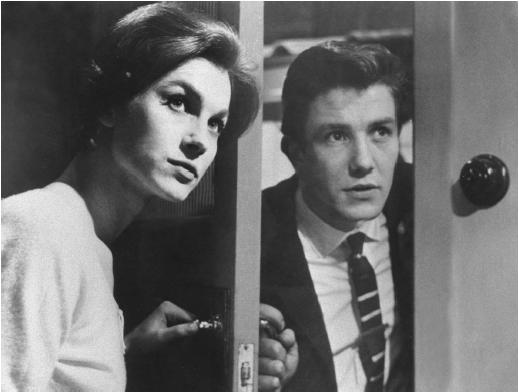
Yet in recent times the focuses are more commonly concentrated upon issues of youth culture - with topics such as gender, race and sexuality. (Example - ’Fish Tank, directed by Andrea Arnold)

I found a useful first part of documentary explaining the ‘1950’s revolution development and story of social realism’.
Watch The Story Of Social Realism [Part 1] in Educational | View More Free Videos Online at Veoh.com
This first part (and I felt main important part) of the documentary highlights some of the best and transforming social realism films (“Look back In Anger” (1959) which was credited as inventing Social Realism and ‘changed everything’.) and some of the most significant and film changing directors.
One of these being Mike Leigh, who is described as ‘a national treasure, who turns serious political films into something comically genius”.
Through looking at his profile on Wikipedia, I’ve discovered a lot more of his background and inspirations.

On here it says he “He starts with some sketch ideas of how he thinks things might develop, but does not reveal all his intentions with the cast who discover their fate and act out their responses as their destinies are gradually revealed. Initial preparation is in private with the director and then the actors are introduced to each other in the order that their characters would have met in their lives. Intimate moments are explored that will not even be referred to in the final film to build insight and understanding of history, character and inner motivation.” which really shows his attention to detail to get the social realism conventions spot on.
One of his main achievements is the well known award winning titles “Happy Go Lucky” which is one of the main social realism films we focused on in class.
Trailor:
Here he talks about his film and how he feels “the world that you film exists before you even go to film there”. He says how he goes against some of the conventions of social realism such as he “heightens colours and designs to express the positive and ‘happy go lucky’ spirit - which is quite a sophisticated decision”.
Furthermore, here is a interview with the main character ‘Poppy’ (Sally Hawkins) explaining the essence of her character and the underlying reasons and explanations to the interaction between the characters and her persona.
Ken Loach
Is known for his naturalistic, social realist directing style and for his socialist beliefs. He is identified as always emphasising genuine interplay between actors, to the point where some scenes in his films appear unscripted. His main aim is to represent the characters in the most typical and naturalistically expected way.
Here he explains his reasons for creating his film ‘Unchosen’:
He says:
“The idea for making it began years ago when it became plain that cities and society and the nations work were changing” showing his films are based upon personal experiences and how he wants certain situations to be portrayed (E.g. migrants coming into countries) and not only entertaining his audience but also educating them.
Titles
The title of social realism films seem to be a very important and significant part of the overall product, to not only allow the audience a taste of what the film inspires but also could have a hidden depth/meaning to it. For example, with Andrea Arnold’s film ‘FishTank’, as she explains in this Youtube clip below, the title ‘FishTank’ was a metaphor to emphasise how the main character Mia, lives her life and experiences.
Our title ‘Nearly Reunited’ gives the impression that the story is linked to love and a rekindled relationships troubles.
Narrative
Our film follows the theory of narrative created by Todorov, which, in it's most basic form, works through a series of 5 ‘transformations’

1. A state of equilibrium.
2. A disruption of the state of equilibrium through an action.
3. A recognition of the disruption.
4. An attempt to repair the disruption.
5. A return to the initial state of equilibrium.
Our ending does not fit the natural last part of the theory of narrative of ‘a return to the initial state of equilibrium’, as we decided to add a unexpected ending that Daniel rejects Sophie’s apology and their almost reunited connection breaks and ends. We did this as we thought it would be a interesting twist, and we thought it would fit the social realism ‘reality’ best. Because if this was a real life situation occurring to two real teenagers, the likeness of there being a happy ‘fairytale’ ending is very slim, so we decided to make the ending negative to fit the reality convention of social realism.
+How effective is the combination of your main product and your ancillary task?


I believe our two ancillary tasks, the poster and the review, were thought out and accomplished to a high degree of accuracy and would therefore work very well as part of a real marketing package and would do well as a real commercial context.
I decided to complete a draft version of my idea for the poster in Final Cut Pro. I was inspired through many posters I had researched into, but I had to take into account the fact that these posters are mainstream, high budget romcom’s and not for social realism, low budget films. Here are some of the inspirations:

This poster for Two Weeks Notice, inspired me to make the two main older characters be the main object in the poster. Furthermore, the inspiration of the characters both have a subtle but meaningful facial expression came from this poster.

This 'You’ve Got Mail' poster gave me the inspiration for the keyboard idea.
- Conventions of a social realism poster
-Attention grabbing title
-Picture of the main character/s
-Plain background to draw attention more to the image of the characters
-Witty useful tagline
-Review comments from other sources (e.g. magazines, newspapers)
-Any awards it’s won to attract the audience
-Actors names and director
-Sometimes a release date
-Subtle iconography or symbolism to draw in target audience
Our target audience
We had many discussions over what we should declare as our target audience. But finally, we decided to go for a older teenaged/young adult females between the ages of 18-24. We decided this on the basis that as our film has a romantic theme about lost love and connection, we thought this would appeal to a more feminine audience. We felt as our main older characters are quite young adults, people their age will be able to relate to their troubles, actions and consequences.
This was the draft copy of the poster I came up with and designed:

and this is the final draft I completed:

Here are some individual points about my idea and if it conforms the conventions of a social realism poster and ways in which it may attract our target audience:
- It includes all four characters (as the two main characters young and old) so viewers have an insight into the characters age and familiarise themselves to them.
- The page is split in half by a invisible line between the two characters to emphasise the main theme of the story of the divide and barriers between them and links to the split screen we have in our film.
-On the bottom half of the split poster will be the two characters as the younger age facing each other - to demonstrate that they are connected in someway in the film
-With the bottom half it shows how they are close and the top half show how they don’t quite reach each other.
-But with the top photo showing them touching hands, it could suggest hope.
-The background for the top photo is white, to emphasise their expressions and body language. This conforms to the convention, as we used a light background to highlight the main characters more.
-In the top right hand corner, there’s a keyboard which is used as iconography, as this is a symbolic and important part of the beginning and end of not only the film, but their relationship.
We chose to use Dani’s poster, as we felt it portrayed our film better and fitted to the conventions of a social realism poster better.
We were very dedicated to making our poster perfect, so changed our layout and elements within it a number of times to produce this:
Some of the points about this poster are:
- Our tagline, which is linked to the popular aphorism; “They say absence makes the heart grow fonder…” suggests there is a clear link between the characters, it also gives us the impression that this film is based on love over time. Furthermore, it indicates a love story - therefore appealing to a female audience.

- We used common logos to make the poster seem as realistic as possible.
- We used a female author for the film, which may be a subtle way to drawer in more female viewers.
- With the two main characters touching hands, this is a good indication that it is a romantic film - drawing in more of our target audience. Furthermore, as Daniel is looking towards the camera, and Sophie is not, it shows the detachment between their relationship, again drawing in viewers who would want to find out what happens between them.
- Simplistic colour scheme and background to emphasise the main image
- We used the letter 'R' in 'Nearly' for the word 'Reunited' then this would represent the idea of being to fit the theme and relate the title to the underlying narrative’s message. Furthermore, the title is red - symbolising the romantic theme.

- Used the female teenaged magazine ‘Glamour’ as a reviewer of the film to attract the correct audience and drawer in females.
Through all these points, we hope we have managed to capture the attention of our target audience - 16-24 year old young females.
Furthermore, Dani cleverly made a connection between the similarity of our poster with the newly released popular film “Remember Me” - a romantic film. For example the simple colour scheme, the placement of the actors names above the title, the colouring and font of the title and most obvious point of the two character being the main focus. This boosted our confidence that our poster is very realistically correct. But again, we have to take into consideration the differences, as this film featured in this poster has a different budget, audience and length of film.

REVIEW
For our review we had to complete a entire film review for our film in the exact style, layout and technique as the Film Review magazine - Little White Lies. I did quite a lot of research into this magazine so I could get a good feel on how to go about completing the review.
We discovered that there is a running theme of a particular film throughout the whole magazine, which is then reflected in the reviews. For example:

Star Trek Issue.

The Man On Wire Issue.
We decided to run our review in the style of the newly released film ‘Alice In Wonderland’ as we felt this would be quite an easy theme to intertwine into our review and it would also be beneficial as I think it would target our target audience quite well.
We even did a draft of what the cover would look like!

Conventions of a film review
- Large picture of a significant moment in the film or a image portraying something important to represent the film
- Three curved boxes in random arrangement which show the name of the film, the release date and names of the director/actors.
-Page number with a symbol to represent the film being themed in the magazine
-The first line is in bold
- Three rating of a scale from 0-5, anticipation, enjoyment and retrospect.
Did we conform to these conventions?
-We had a large image of the shot of Daniel sitting on the bench, we felt this was a significant moment in the film as it emphasises the fact that Daniel is alone
- We have the three curved boxes
- We used bunny ears, to fit the theme of Alice In Wonderland, for the page number.
-We completed the three ratings and gave in fair ratings and comments.
We also added a little extra, as some pages in an Issue of ‘Little White Lies’ would have a image on one of the characters or something to represent the themed film. So we decided to put a image of the Cheshire purple and pink cat from the film in the right hand side below our picture of Daniel on the bench. We also thought this would be a positive added attraction for our target audience.

As my main task for the film review was to complete the copy, I looked carefully at templates in magazines to get a feel for the right sort of language and tone used, and even did a personal analysis of the film ‘Nanny McPhee’

I think the completed copy of the review was very well constructed to appeal to the target audience and give the audience a feel for the film’s storyline and potentially persuade them to go watch it.
+What have you learnt from your audience feedback?
We got the majority of our audience feedback through setting up a feedback page through the social network "Facebook", we thought this would be the most appropriate way as it is a easy method of collecting opinions, especially from our target audience - 18-24 teenaged/young adult females.


From our huge collection of feedbacks, we discovered our main strengths and weaknesses:
Positive:
+Great original storyline
+Great soundtrack behind first half
+Good match on action
+Fade between kids from younger to older – very good (furthermore – mise en scene is really good here)
+Shots when Ben’s getting changed in front of mirror very good and looks very professional
+Good use of non digetic sound in the background and the editing
+Transitions are really well done
+First scene works really well where it switches between the two where they are sorting out the sound for the computer
+Clever how you brought back the same soundtrack from the beginning to the ending
+Good idea of having no dialogue in it
+The radio broadcast – unique and funny
Negative
-Letter shot – too quick so not enough time to read it
-Some of the scenes were too dark
-Could have muted some ambient sound when it switched to and from both of them (just after she walks away from the door)
-Could have varied few more shots
-When Sophie is texting its clear it was done at night and the boy receives the text in broad daylight!
Evidently there is more positive feedback than negative. But from what has been said I’ve learnt that our strongest points and elements of our film were the sound choices, original storyline and ideas for shots. From the audience feedback, I’ve learnt that our best shots seem to of been:
The fade between the two characters


Shots of Ben getting changed:


The first few shots of Sophie/Daniel speaking online:


Looking at the negative feedback, there are clearly a couple of things we should have taken into account and if we had the time, would have definitely improved.
Many people have highlighted how they didn’t feel they had enough time to read the letter and some of the msn convosations. Although my group have tested it ourselves, this has been seen as a problem so if we had the chance we would have definitely made that shot longer.

A big problem we seemed to have was the lighting of some of the shots, as many turned out to be too dark. For example, the scene when Sophie comes home and texts Ben and the scene when Ben is writing the letter;


This was partly due to the fact we had limited time to do some scenes, as most of the filming days were done after college late in the evening, and the times varied therefore the lighting and naturalistic light varied.
The comment that was made about how we could have varied the shots more didn’t go down well with our group, as we felt we had used a variety of shots and ideas! We didn’t want it too varied as we felt that wouldn’t fit the social realism conventions.
My favourite and most helpful feedback comment was:
“I felt it conveyed a real conflict of emotion taking viewpoints from both genders and all available viewpoint not leaving the viewer in any sort of suggestive or assuming mood. The film exceed...s expectation vastly on media work and this illustrates great quality in the ability you guys have.”
Overall, our group is very happy with the feedback we got and found it useful and enlightening on our strengths and weaknesses.
From taking into account all our feedback from our target audience, I would say we’ve definitely met the needs and reached the high expectations of our audience.
Also we are very proud having reached over 300 views of our film on YouTube!

+How did you use new media technologies in the construction, and research, planning and evaluation stages?
I feel I have developed a lot of skills in using digital technology, especially in comparison to the Foundation Portfolio last year, and have successfully expanded these to make an positive impact on the overall short film. These include:
Final Cut Pro

We decided to make a advance from the foundation portfolios by transferring our rushes from the programme iMovie to Final Cut Pro - a more sophisticated and precise editing software - which we felt would be beneficial to use. Although more advanced, Final Cut Pro was reasonably unproblematic with getting used to and consisted of several effective techniques, for example devices which can change the lighting/composition of certain shots and then a wider variety of transactions (dissolves, fades etc).

Through using Final Cut Pro’s technology we got to incorporate impressive feature such as merges, mirror point of views and a split screen.
Split screen:

Mirror point of view:

This was an extremely useful website which helped us with a couple of problems we had when trying to understand and use Final Cut Pro:
http://users.design.ucla.edu/~jbishop/FCP/FCPtutor.htm#Editing
The main useful parts was how it tells us how to use the transitions for our dissolves as you can see here:
 =
=

Other useful parts it helped us with the ‘rendering’ section, the tool palette description and the effects list.

We also used a couple of Youtube Final Cut Pro tutorial’s to help us when there wasn’t a teacher available to help:
And to help us change our lighting as that seemed to be a big area of our film we needed to alter:
Indesign and photoshop
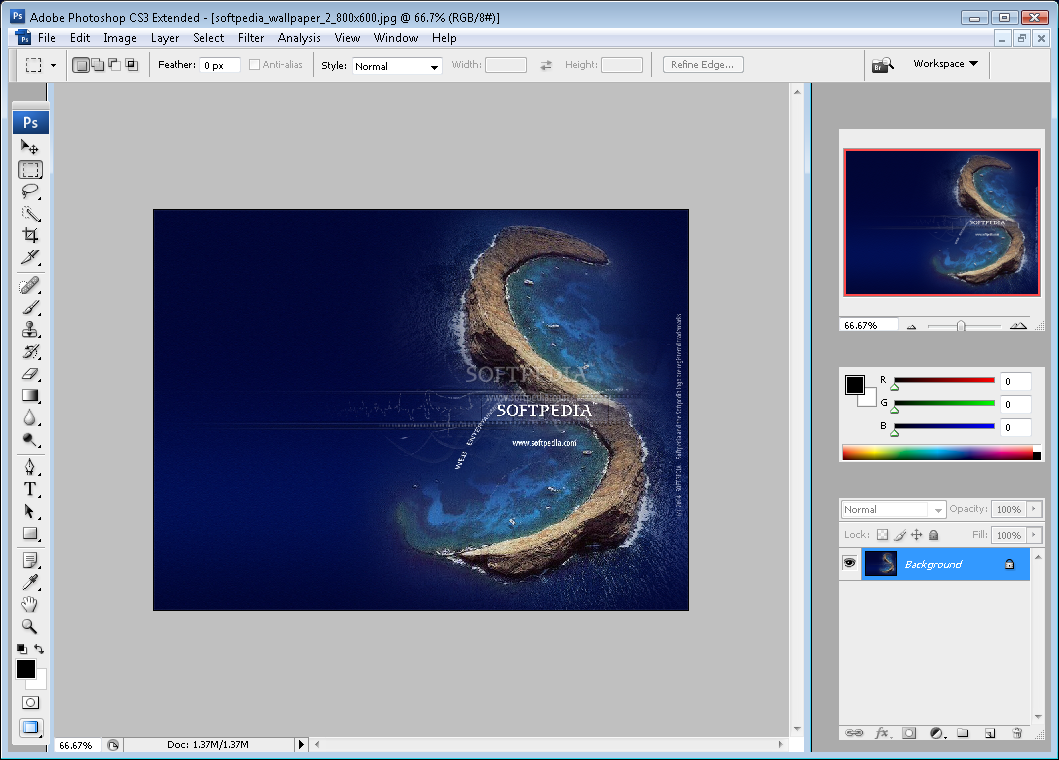
Using Indesign and Photoshop - I used this software to complete my draft version idea of our poster. Creating this poster on these software’s wasn’t as difficult as I anticipated. The fact we had already done some practice designs of magazines last year probably helped. I easily got the pictures of the younger characters through screen grabs on Final Cut Pro which I transferred to the relevant computers.
-It was easier than I thought to insert the image of the keyboard and altering the angle, but through placing a image saved on the computer through Google images, and then tilting it 90* through the rotating tool it worked out fine.

- Titling and font using was very simple, as long as I used the correct layering techniques and paid attention to the fonts I used throughout.

- The trickiest part I would say was cutting out and transferring the image of the two older characters. We took the photo through a normal digital camera then put this onto Photoshop. Then after sizing it properly and altering the quality of image, I used the lasso and wand tool to cut them out. And after a lot of patience, time and concentration I managed to cut it out very precisely and then transfer it to the main poster in InDesign.

OK - this looks promising so far, but it needs to be completed tomorrow at the latest. Also, I still don't see the finished review on the blog, formatted as the page from Little WLs. One of you needs to upload this immediately. Others in the group must post their evaluation drafts too, if they want any feedback.
ReplyDeleteI have made some comments on the evaluation so far on a word version of it, and will email it to you asap.
ReplyDelete